Denver Health’s Housing Outreach, Partnerships and Engagement (HOPE) Team

The HOPE Team provides housing-focused screening, outreach and assistance to address care gaps for at-risk patients experiencing homelessness in the hospital or emergency department.
Why are partnerships so important in helping those in need?
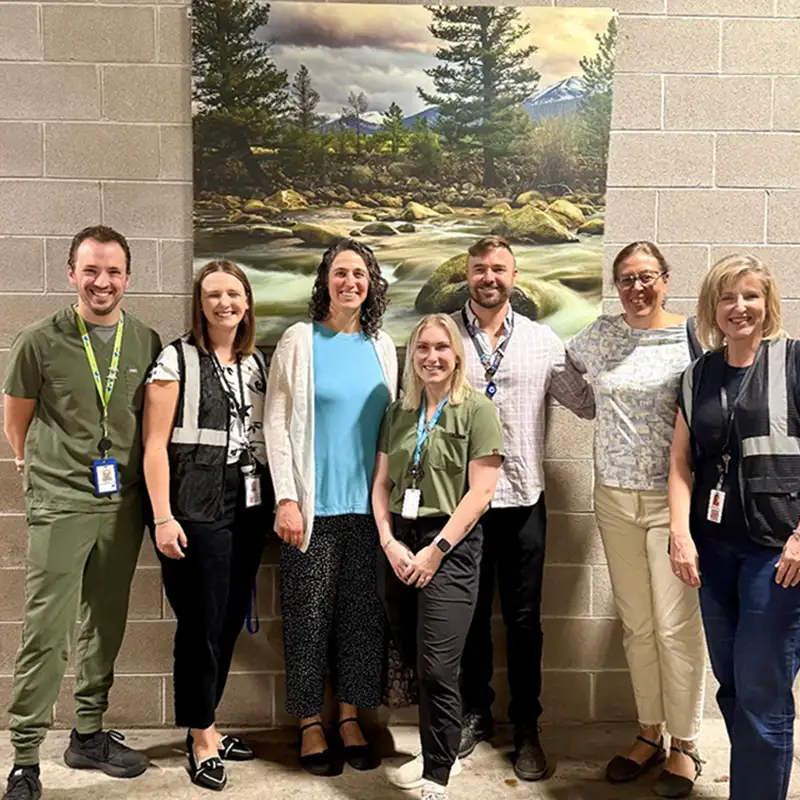
Partnering with Denver Rescue Mission’s Complex Case team allowed our teams to develop transparent and collaborative processes to improve care for our patients. In 2025, Denver Health cared for more than 13,000 patients experiencing homelessness with 63,000 visits.
This includes one in five hospitalized adults who are often disconnected from care or experience care that is fragmented across many health and community service providers, putting them at high risk for poor health outcomes—including prolonged hospitalization, avoidable readmissions, debility, and death. By working collaboratively with committed partners like DRM to bridge care gaps between the housing and health system, we can interrupt the vicious cycle of unmet needs leading to these outcomes.
What are some of the biggest challenges you see individuals face when trying to move toward stability?
When people start over repeatedly with different medical providers, community organizations and case managers, it’s hard to make progress in getting insurance, benefits, disability determinations, and level of care options. This makes cross-system collaboration critical to meeting the needs of our patients and community.
Can you share an example of how you’ve seen this partnership help someone move forward in a meaningful way?
A patient was admitted to Denver Health’s intensive care unit due to exacerbation of chronic obstructive pulmonary disease and respiratory failure. The HOPE team received a notification from our electronic health records that this patient was on DRM’s Complex Case team’s list, who had been actively looking for this individual as they were recently approved for Long Term Care Medicaid. DRM met with the patient on the same day. With the two teams collaborating, the patient was quickly accepted and discharged to a Skilled Nursing Facility the following week.
Why does collaboration look like on a day-to-day basis between your team and DRM?
We utilize data tools to proactively identify and outreach hospitalized patients experiencing homelessness who are being served by DRM’s Complex Case team.
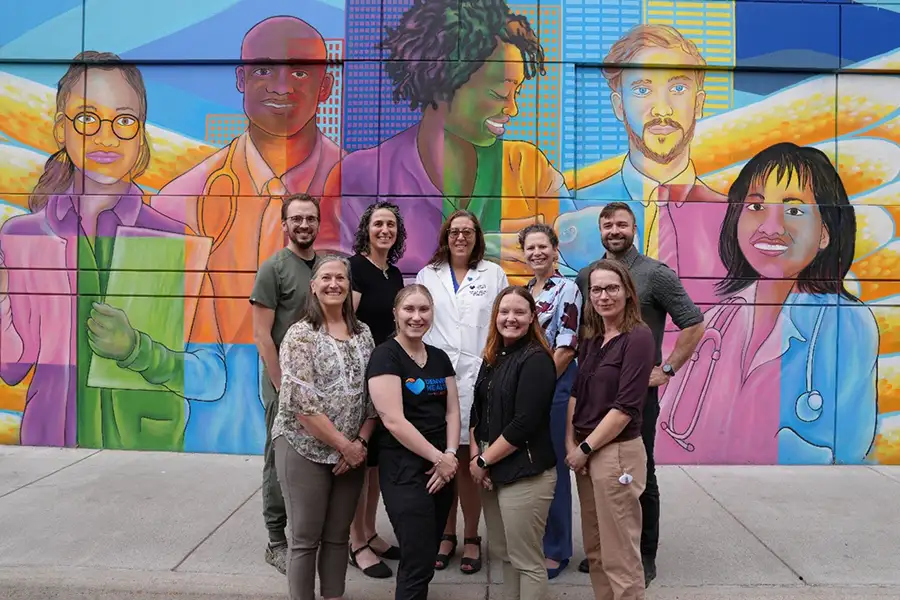
The teams work together to support mutual patients during and after their hospital stay to ensure safe discharges and continuity of care. The HOPE Team also refers individuals who would benefit from a high degree of support in the community to the Complex Case team, creating warm handoffs for patient-centered care.
What gives you hope when you see this kind of collaboration in action?
By bridging the divide between homeless service providers and health systems and leveraging data in novel ways, we can better identify care coordination opportunities and address gaps in care for our shared patients. This restores hope and helps put patients on the most appropriate and effective pathways to both housing and health.
What do you wish our community better understood about this work?
Older adults now represent the fastest growing segment of the homeless population. Certain mobility constraints, cognitive issues, and medical equipment (like oxygen) impede individuals from being able to access many traditional shelters and resources.
Individuals with the highest health needs and acuity served by Denver Health’s hospital often also have the highest barriers to accessing traditional services for homelessness. Denver Rescue Mission and Denver Health are collaborating to work towards meaningful solutions for this population.
This post is part of June’s Changing Lives Newsletter. This month, we’re sharing Mira’s story of finding safety and community with the help of the Complex Case Team: No Longer Invisible.